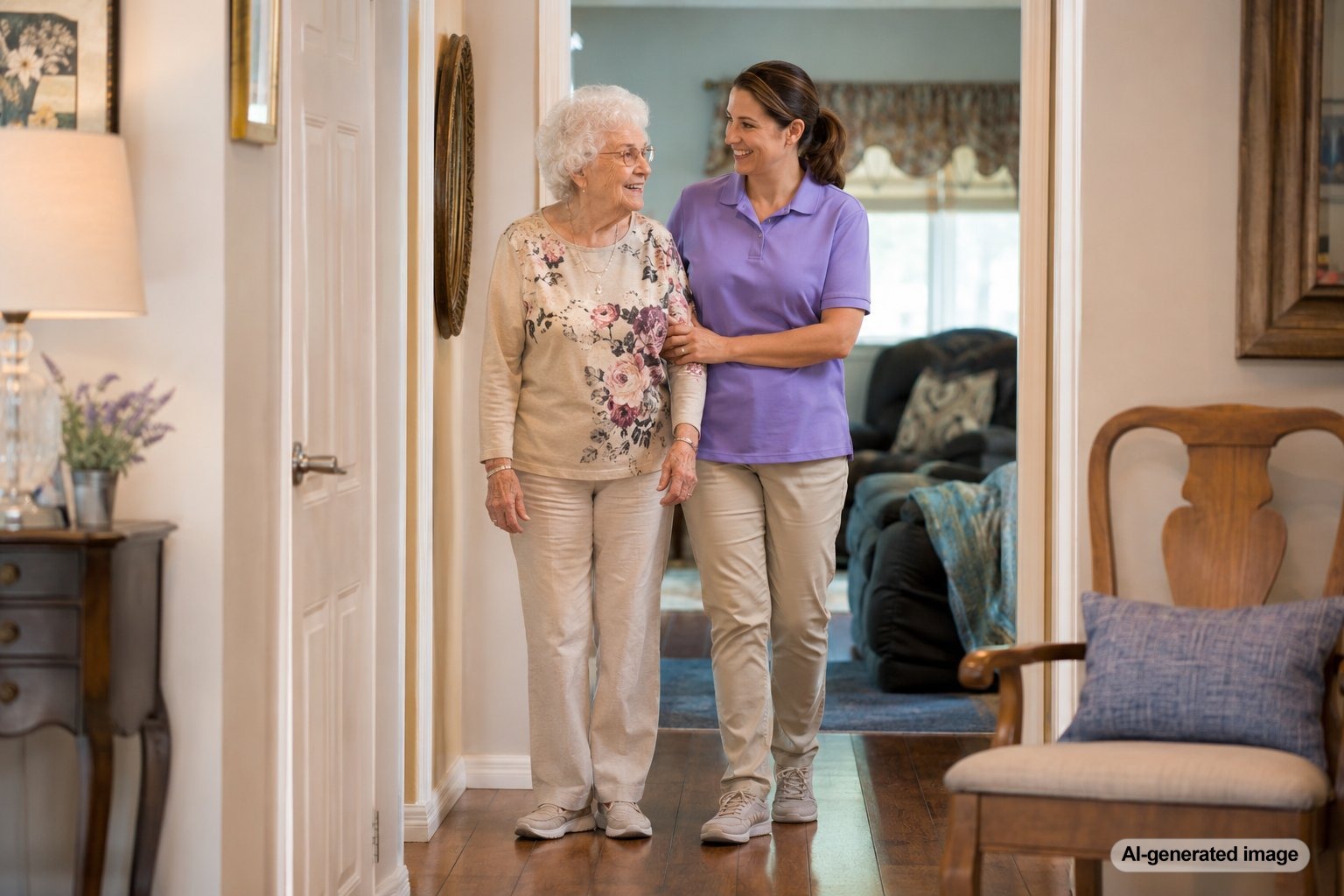
How Companion Care Helps Seniors Feel Less Alone
Learn how companion care can reduce isolation, support meaningful routines, and help older adults feel connected while remaining at home.
Learn how companion care can reduce isolation, support meaningful routines, and help older adults feel connected while remaining at home.

Learn how to spot subtle signs an older parent may be hiding daily struggles and how to start a respectful care conversation.

Aide coverage helps, but some seniors need broader home support around routines, mobility, safety, dignity, and family communication.

Help a parent stay independent with respectful support, safer routines, family communication, and aging-in-place planning.
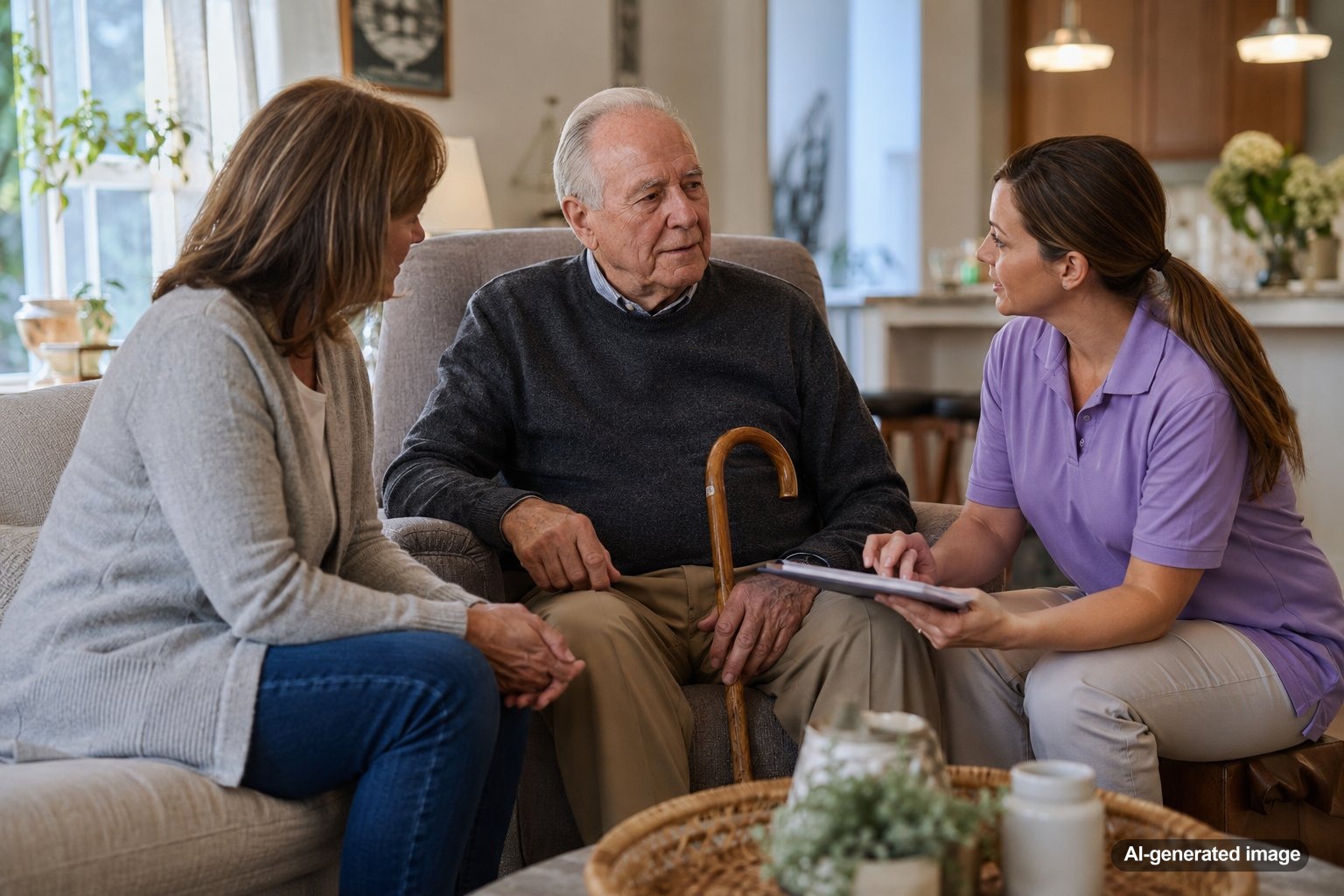
Learn signs your parent may need more structure at home, from missed routines to safety concerns, and how families can respond with dignity.

Asking for help with a parent is not failure. Learn how support can protect dignity, safety, independence, and family peace.
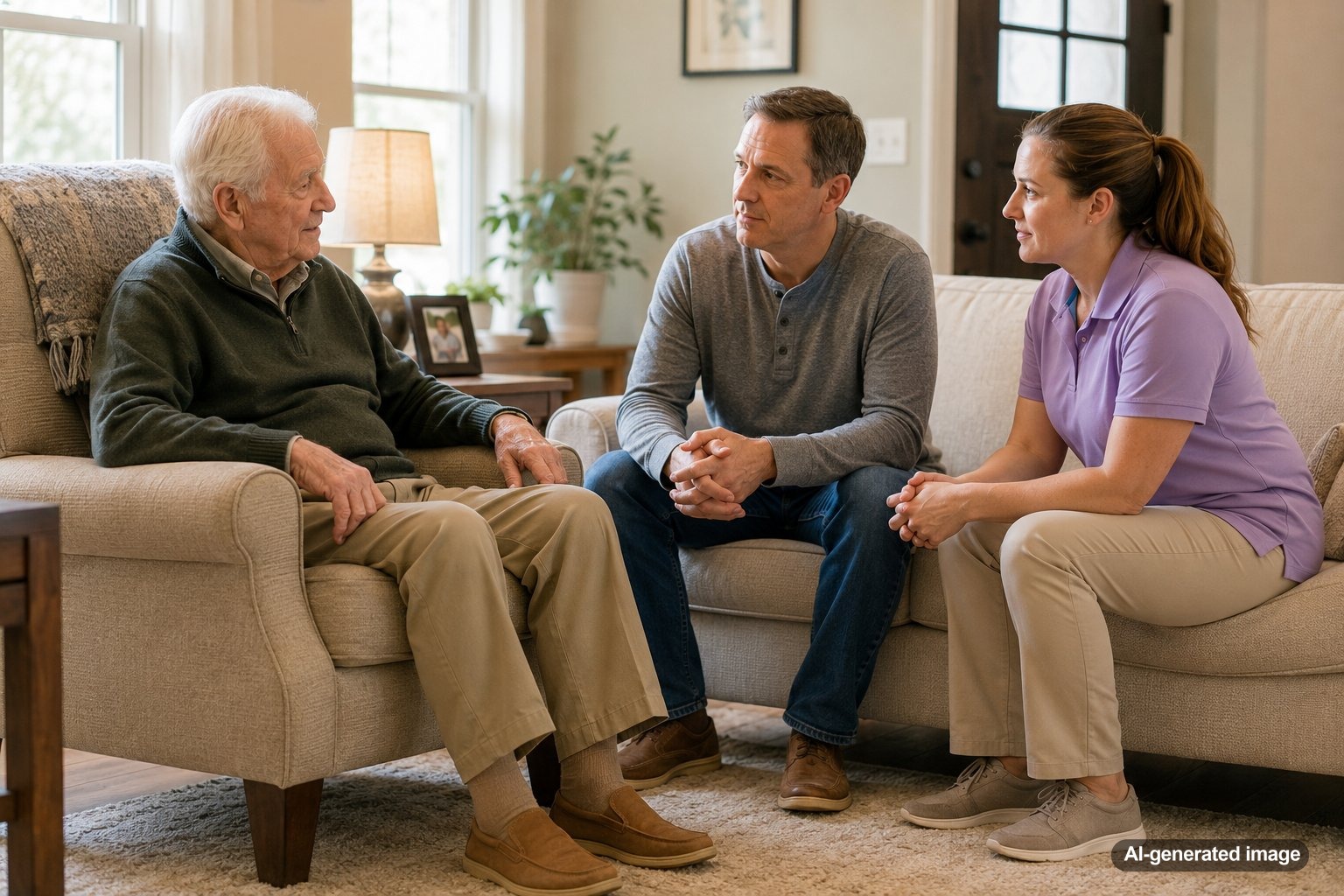
Learn why first care conversations often go badly and how families can approach aging-in-place support with more calm and dignity.

Learn why family communication matters when helping an older loved one plan for safer, more supported aging at home.

Aging-in-place support in Tampa and Brandon may include home care, mobility awareness, safer routines, family planning, and therapy coordination.