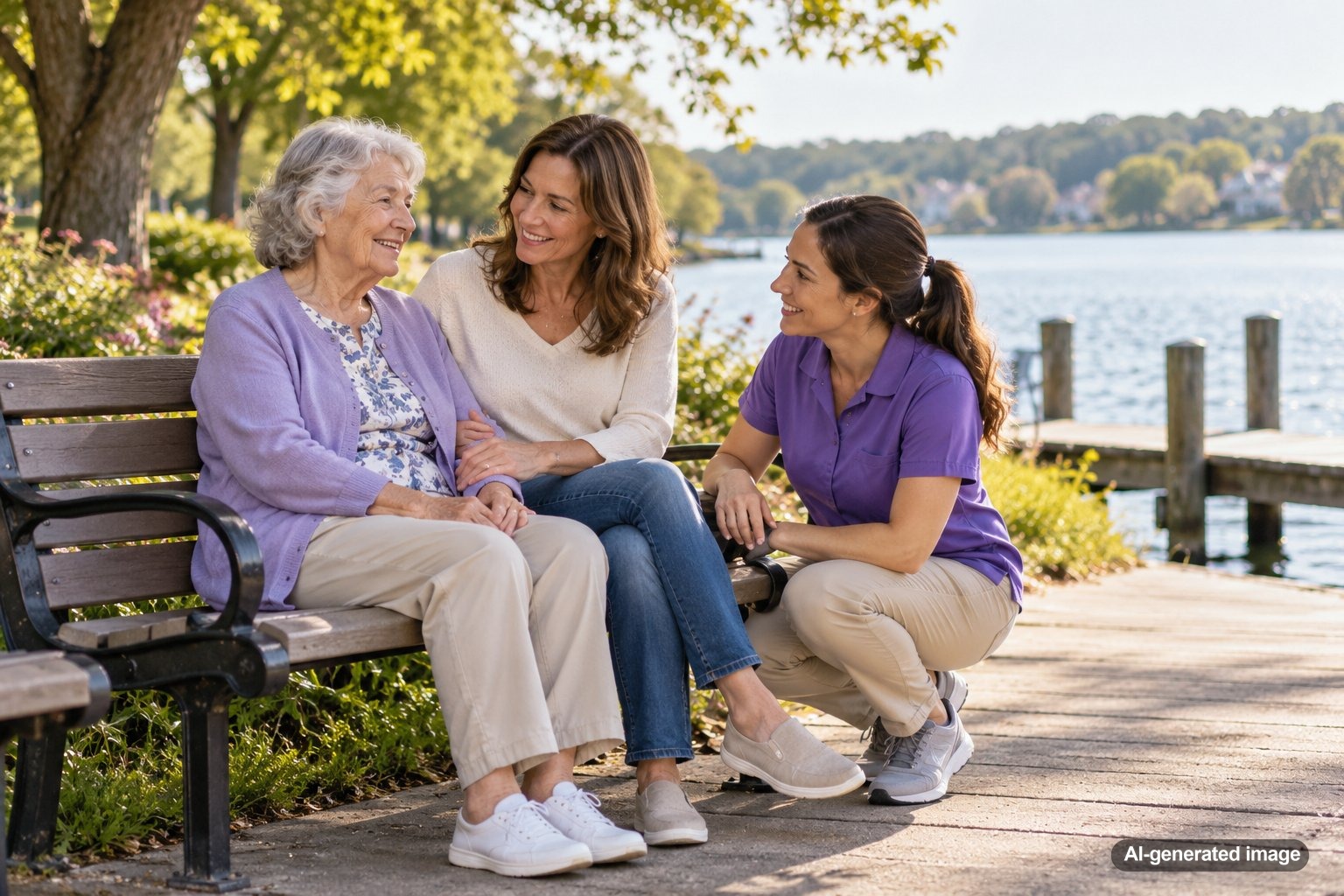
When an older parent repeatedly returns to a house they no longer own or a neighborhood they moved away from years ago, families may feel confused, worried, or frustrated. The behavior can seem especially puzzling when the person has a comfortable home, supportive relatives, and familiar belongings in their current surroundings. Yet returning to an earlier home may reflect something deeper than a simple preference for an old address. It can involve emotional attachment, long-established habits, difficulty adjusting to change, or changes in memory and orientation.
The important question is not simply why an older adult wants to go back. It is what that familiar place represents, whether the person can travel there safely, and how family members can respond without making their loved one feel controlled or dismissed. Understanding the possible reasons can help families protect independence while recognizing when additional support may be appropriate.
Quick answer
- Emotional connection: A former home may represent family, identity, security, meaningful relationships, or an earlier stage of life.
- Established habits: Familiar routes and destinations can remain appealing after a move, particularly when someone spent decades in the same neighborhood.
- Difficulty adjusting: A new residence may feel unfamiliar, lonely, or less comfortable, even when it meets the person’s practical needs.
- Memory or orientation changes: Some older adults may become confused about their current address or believe they still live somewhere from their past.
- Safety considerations: Repeated unplanned trips, getting lost, or attempting to enter a former residence deserve attention and may warrant professional evaluation.
Why a previous home can remain so important
A home is more than a building. For many older adults, it represents decades of routines, relationships, family celebrations, work responsibilities, and personal accomplishments. A familiar street may bring back memories of raising children, visiting neighbors, maintaining a garden, or walking to a favorite store.
Moving away from that environment can be emotionally difficult, even when the move was necessary or freely chosen. A person may miss being recognized by neighbors or knowing exactly where everything belongs. The old neighborhood may also represent a time when daily life felt more predictable and independent.
Returning to a previous home does not automatically indicate dementia or another medical condition. An older adult who understands the move and intentionally visits a familiar neighborhood may simply be maintaining meaningful connections. The distinction becomes more important when the trips are unexplained, repetitive, disorienting, or unsafe.
Possible reasons an older adult keeps going back
They associate the old home with comfort and belonging
Familiar environments can provide a sense of reassurance during periods of uncertainty. An older adult who recently lost a spouse, moved closer to family, or experienced major changes in daily responsibilities may find that an old neighborhood feels connected to a more stable chapter of life.
Sometimes the desire to return is less about the physical house and more about wanting to feel connected, useful, or at home again.
They are following a routine practiced for many years
People develop strong habits around places they visit regularly. Someone who drove the same route home for 30 years may still think about that route after moving. Familiar stores, parks, churches, or gathering places may remain part of their mental picture of everyday life.
Occasionally visiting these places can be perfectly reasonable. However, following an old route without remembering the new destination or struggling to navigate back may signal a different concern.
They have not fully adjusted to their current living arrangement
Even a positive move can involve loss. Downsizing may mean leaving behind familiar furniture, favorite outdoor spaces, longstanding neighbors, and the freedom to organize a household exactly as desired.
If an older adult feels that the move happened too quickly or without enough personal input, returning to the previous neighborhood may be a way of reconnecting with a place where they felt more in control.
Families can explore this possibility by asking what the person misses instead of assuming that their current living arrangement should already feel comfortable.
Changes in memory may affect their understanding of home
Memory and orientation changes can sometimes influence where an older adult believes they live. A person experiencing cognitive difficulties may remember an earlier residence more readily than a recent move or become uncertain about which location is currently home.
For someone living with dementia, the request to go home may also express a desire for familiarity or reassurance rather than a literal request to travel to a specific address. However, no single behavior establishes a diagnosis. Families should discuss new or worsening confusion with a qualified healthcare professional.
They may be trying to fulfill an old responsibility
An older adult might believe they need to feed a pet, prepare dinner for family members, collect mail, attend a former job, or check on a property they no longer maintain. These responsibilities may have occupied an important part of their life for years.
When someone repeatedly describes obligations that no longer exist, relatives can gently explore what the person believes needs to be done. Understanding the underlying concern may help the family offer reassurance without creating an argument about past events.
Why this matters for families
Repeated trips to an old residence can create practical and emotional challenges. Family members may worry about an older adult driving unfamiliar routes, walking long distances, crossing busy streets, becoming stranded, or approaching people who now occupy the property.
At the same time, immediately prohibiting visits or dismissing the desire to return can leave the older adult feeling unheard. Families may find themselves balancing two legitimate priorities: respecting a loved one’s independence and responding to potential safety concerns.
The most useful approach begins with understanding the pattern. Is the person enjoying planned visits to a meaningful neighborhood, or repeatedly attempting to return because they are uncertain where they belong?
Those situations require different responses. A person who independently plans an occasional visit may benefit from maintaining social connections. Someone who becomes lost, frightened, or confused about the present may need a more structured safety and support plan.
Signs and situations families should watch for
Pay attention to how the older adult talks about the previous residence, what happens during a trip, and whether their behavior has changed over time.
- Repeatedly stating that they still live at the former address: This may suggest confusion about a recent or longstanding move.
- Trying to enter a home occupied by someone else: The person may not recognize that ownership or occupancy has changed.
- Forgetting the route back: Becoming lost on familiar streets is a reason to seek medical guidance.
- Leaving unexpectedly: Unplanned departures, especially without appropriate clothing, identification, or a reliable way to communicate, raise safety concerns.
- Becoming distressed when redirected: Anxiety, agitation, or fear may indicate that the person does not feel secure in their current surroundings.
- Referring to people or responsibilities from many years ago as if they are current: Repeated confusion about time and personal circumstances deserves attention.
- Changing travel habits: Driving toward an old address unexpectedly or returning much later than usual can indicate difficulty navigating or understanding the trip.
A single occurrence does not necessarily mean a serious condition is present. Repeated patterns, particularly when accompanied by other changes in memory or daily function, provide useful information to share with a healthcare professional.
How families can approach the conversation
Begin with curiosity instead of correction
If a loved one says they need to return to an old house, an immediate response such as ‘You do not live there anymore’ may lead to frustration without addressing the underlying concern.
Consider asking, ‘What are you hoping to do there?’ or ‘What do you miss most about that neighborhood?’ These questions create room for the person to explain their feelings or intentions.
Listening also helps families distinguish a meaningful desire to visit from an urgent belief that something at the old property requires attention.
Acknowledge the emotional meaning
A simple statement such as ‘That house was an important part of your life’ can communicate respect. If the person is upset, acknowledging the feeling before discussing practical details may make the conversation less confrontational.
Families do not have to agree with an inaccurate statement to recognize that the emotion behind it is real.
Avoid turning every conversation into an argument about facts
If memory changes are involved, repeatedly correcting dates, addresses, or family history may not resolve the concern. Calm reassurance and gentle redirection can sometimes be more helpful than a prolonged disagreement.
For example, if someone is worried about an old household responsibility, a family member might acknowledge the concern and offer a comforting activity or familiar routine. The response should fit the person’s abilities and circumstances rather than relying on one scripted approach.
Include the older adult in practical decisions
Whenever possible, invite the person to help decide how to maintain connections with the old neighborhood. They may enjoy scheduled visits, calls with longtime friends, looking through family photographs, or having familiar belongings displayed in their current home.
Giving someone meaningful choices can help preserve dignity, even when additional travel support or supervision becomes necessary.
Practical ways support at home may help
Make the current home feel recognizable
Photographs, favorite furniture, familiar bedding, treasured objects, and a consistent arrangement of everyday items may make a newer residence feel more personal. When an older adult has difficulty finding their way around, simple room labels and uncluttered pathways may also help.
Invite the person to participate in organizing their space whenever appropriate. The goal is not to recreate every detail of the former residence, but to preserve comforting elements and a sense of ownership.
Establish meaningful daily routines
Predictable meals, enjoyable activities, companionship, and opportunities to participate in household tasks can provide structure. Ask about the routines the person valued in their previous home and consider which ones can continue.
Someone who previously enjoyed gardening may appreciate tending plants. A person who frequently visited neighbors might benefit from regular social opportunities. Small connections to familiar interests can make the present environment feel more welcoming.
Plan safe ways to maintain old connections
When visits are appropriate, consider arranging transportation or accompanied outings rather than treating the former neighborhood as completely off-limits. A visit to a longtime friend, a familiar park, or a favorite restaurant may provide the connection the person is seeking without requiring access to the previous residence.
These arrangements should reflect the person’s current abilities, preferences, and professional safety recommendations when relevant.
Create a thoughtful plan for unexpected departures
If an older adult has a history of becoming lost or leaving unexpectedly, families should develop an individualized safety plan. This may include keeping emergency contact information accessible, using identification that can help someone return home, maintaining a recent photograph, and considering appropriate door alerts or location-support technology.
Such measures require attention to privacy, consent, accessibility, and the person’s ability to leave safely during an emergency. Families should avoid improvised restrictions that could create additional hazards.
If a person with suspected cognitive impairment goes missing, treat the situation as urgent and contact emergency services promptly rather than assuming they will return independently.
Coordinate family and home support
Different relatives may witness different parts of the pattern. One family member might notice repeated questions about an old address, while another observes unexpected trips or changes in daily routines.
Sharing observations can help everyone respond more consistently. Depending on the person’s needs, companion care, assistance with routines, family coordination, or other home care services may provide additional structure and reassurance.
Mind & Mobility encourages families to consider coordinated aging-in-place support that considers daily routines, companionship, mobility, safety, and changing family needs rather than focusing only on isolated household tasks.
When to involve a professional
Consider discussing the behavior with a healthcare professional if an older adult repeatedly forgets where they currently live, gets lost in familiar places, unexpectedly leaves home, or shows other noticeable changes in memory, judgment, or daily function.
A medical evaluation can help explore possible contributing factors. These may include cognitive changes, emotional distress, or other health concerns. Families should not assume that repeated trips to a former residence have a single cause.
Sudden confusion or a rapid change in awareness requires prompt medical attention, because it can signal an acute health problem. Seek emergency assistance when the person is in immediate danger.
Depending on the evaluation, several types of professional support may be relevant:
- Occupational Therapy (OT): May help evaluate everyday routines, home organization, environmental challenges, and practical strategies for completing daily activities.
- Physical Therapy (PT): May address walking, balance, transfers, movement confidence, and mobility concerns that affect safe daily function.
- Speech Therapy (ST): May support communication and certain cognitive skills when a qualified clinician determines those services are appropriate.
- Home care and companion support: May help with companionship, familiar activities, routine consistency, and communicating observed changes to the family.
Not every older adult who revisits a previous home needs therapy or ongoing assistance. The appropriate response depends on the reason for the behavior, the person’s abilities, and the risks identified through discussion and evaluation.
Frequently asked questions
Is it normal for an older adult to want to return to a former home?
Yes. Missing a longtime home or neighborhood can be a natural response to moving, grief, nostalgia, or changes in social connections. A planned visit by someone who understands their current circumstances is different from repeatedly traveling to an old address because of confusion. Families should consider the context rather than interpreting the desire itself as a medical symptom.
Does repeatedly going to an old house mean someone has dementia?
Not necessarily. The behavior may reflect emotional attachment, habit, difficulty adjusting to a move, or another concern. However, repeatedly believing that an earlier residence is still home, becoming lost, or showing additional memory changes warrants discussion with a qualified healthcare professional. Only an appropriate evaluation can clarify whether a medical condition is involved.
Why might someone with dementia insist they need to go home when they are already home?
A person living with dementia may have difficulty recognizing their surroundings or connecting their current residence with their sense of home. Sometimes the words express a wish for comfort, familiarity, or reassurance rather than a specific destination. Responding calmly to the underlying feeling may help, while persistent distress or unsafe attempts to leave should be discussed with a professional.
Should family members take an older adult back to the previous neighborhood?
That depends on the person’s preferences, current abilities, and safety considerations. An accompanied visit to a familiar place may be enjoyable for some people, while others may become more confused or distressed. Families can discuss the person’s wishes, assess how they respond, and consider professional guidance when cognitive or travel-safety concerns are present.
What if an older parent drives to an old address without telling anyone?
Unexpected driving trips deserve attention, especially when the person becomes lost, forgets why they traveled, or struggles to return. Speak with a healthcare professional about the behavior and whether a formal driving evaluation is appropriate. While concerns are being assessed, discuss practical transportation alternatives that respect the person’s dignity and safety.
How can family members help a loved one feel more at home after moving?
Preserve meaningful routines, display familiar belongings, encourage friendships, and involve the older adult in everyday choices. Ask what they miss about the previous residence and look for realistic ways to maintain those connections. Consistent companionship and patient communication may help make the new environment feel less unfamiliar over time.
Helping a loved one feel connected without losing independence
When an older adult keeps returning to a previous home or neighborhood, the behavior may communicate a powerful need for familiarity, connection, purpose, or reassurance. Families can learn a great deal by looking beyond the destination and asking what that place represents.
The goal is not to erase meaningful memories or automatically restrict independence. It is to understand the person’s experience, recognize changes that deserve professional attention, and develop practical support that fits the situation. With compassion, communication, and thoughtful planning, families can help an older loved one maintain ties to the past while building confidence in everyday life today.
Families exploring additional support can learn more about Mind & Mobility through its service locations and discuss options suited to their circumstances.
Need help supporting a loved one at home?
Mind & Mobility helps families explore care, therapy, mobility support, and aging-in-place options with dignity and compassion.
Prefer to call? 866-595-7086
Disclaimer
This article is for educational purposes only and is not medical, legal, insurance, or emergency advice. For personalized guidance, speak with a qualified healthcare professional or contact Mind & Mobility to discuss care options.